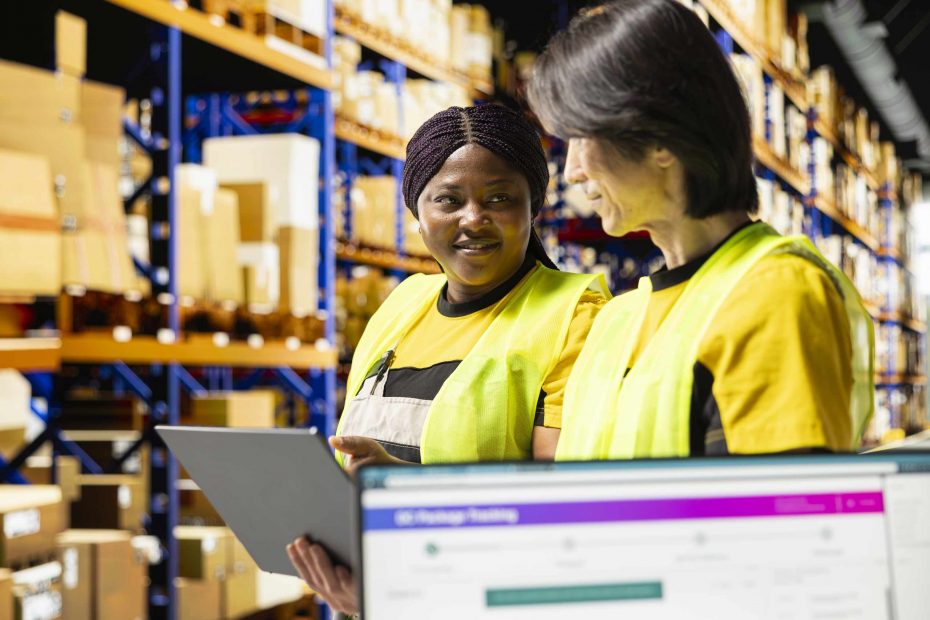
Sometimes a delivery is late before the carrier even shows up. It may feel like that’s strange to think, as most people associate delivery timing with trucks, routes, traffic, and delivery window. In a logistics sequence, however, the warehouse can influence the schedule much sooner. The shipment can already be under pressure before it enters the road phase if it hasn’t been picked properly, packed appropriately, or set aside in time to go out of the warehouse.
Picking is about taking the correct items out of storage. It requires accurate stock locations, accurate item descriptions, and an accurate count of goods. For example, if a purchase order was placed for one item but what’s picked out was an alternative product, this mistake can make its way into packing, dispatch, and delivery until discovered. This mistake can also happen if a stock table shows items are available, but they aren’t in the location you expect.
The process of packing doesn’t consist simply of putting the goods into a carton. Rather, it prepares the shipment to move, be handled, scanned, and received. The packing list contains information about the contents of the shipment; the physical contents of the carton must agree with the packing list. The delivery can go as scheduled if cartons aren’t labelled properly, fragile items aren’t given the necessary handling instructions, or not all parts of the order are included. This issue causes the confusion at the delivery side and delays there.
A great way to study this question is to select an example order and look only at the warehouse stage. Skip any questions about a route for now, and consider what steps need to be taken from the moment goods are received to the time of dispatch. Items need to be removed from storage, the correct amount picked, verified against the order, packed with labels, and added to a matching packing list. Then, they need to go in the right dispatch location. Any time that one step is neglected or done in a hurry, the promised delivery date written on the order doesn’t paint the whole picture.
Here’s where an inexperience operator can misread the flow. The tracking system may not say that a carrier has picked up a shipment. The actual cause of the delay could be that the picking hasn’t occurred yet, the packing list needs to be updated, or an error was found upon the final check. In that instance, the delivery is delayed at the warehouse stage, not the transport phase. It’s vital to identify the correct stage because it allows the delivery note to be more accurate in handoff.
Packing plays a crucial role in the speed of delivery confirmation on the receiver’s side. If the goods are packed properly with a neat delivery note and a correct packing list, it’s easier for the receiver to verify contents. The receiver can compare the goods, mark any damages, and update inventory information with less questioning. Incorrect packing does the reverse. It may lead the receiver to slow down, open more cartons, search for missing labels, or request clarification prior to signing off on the shipment.
When examining a logistics issue, don’t simply ask whether or not the delivery was delayed. Instead, ask if the shipment left the warehouse as intended. This is indicated by checking that all picked goods are correct per the order, that all items in a packed carton match the packing list, that the labels are clearly legible, that the dispatch time is documented, and that a clear handoff to the carrier has taken place. When this warehouse flow is included as part of the timeline rather than as a secondary process, it’s easier to see the reason for a late delivery.